
In an earlier piece (here) I explained a principle I work by: when mixing local and frontier AI in consulting work, the data stays local, but the abstractions can travel. Raw client information is processed by models you control. Patterns and architectures are discussed with frontier models. The boundary is enforced by tooling, not by…
There’s a question I hear more frequently now than at any point in my career: can we use AI on this project without our data leaving the building? It comes from finance directors, facilities heads, compliance teams, procurement leads – people whose lawyers have begun asking pointed questions about Article 28 processors and Data Processing…
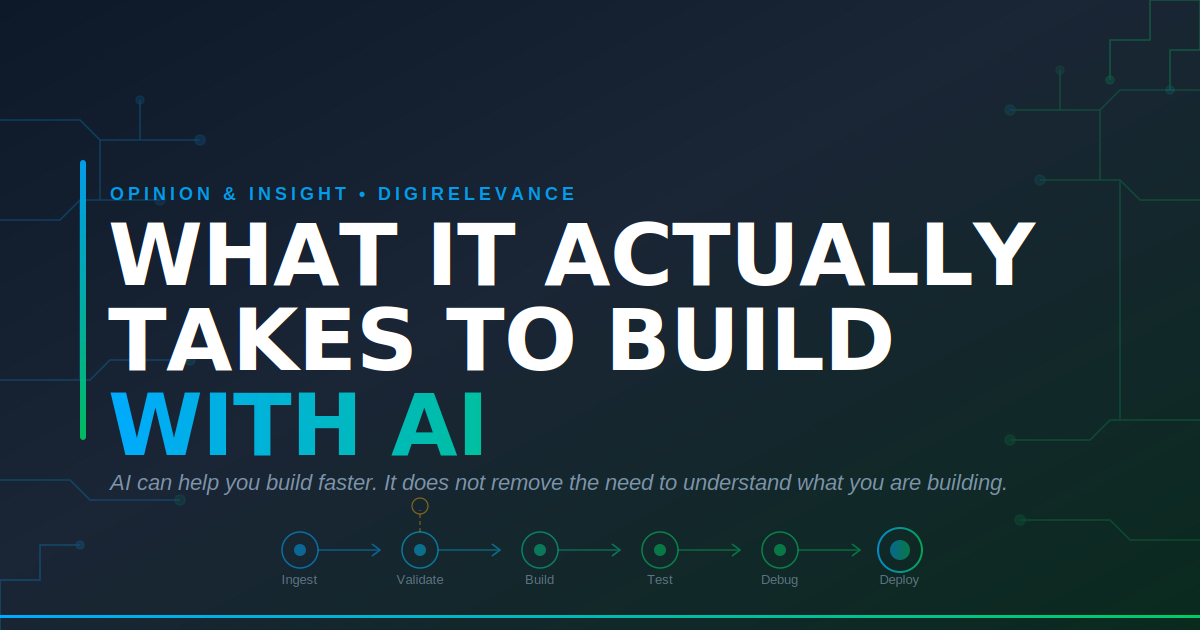
AI can help you build faster – but there is a big gap between something that runs and something that works reliably for a client. This article is about what actually filled that gap.
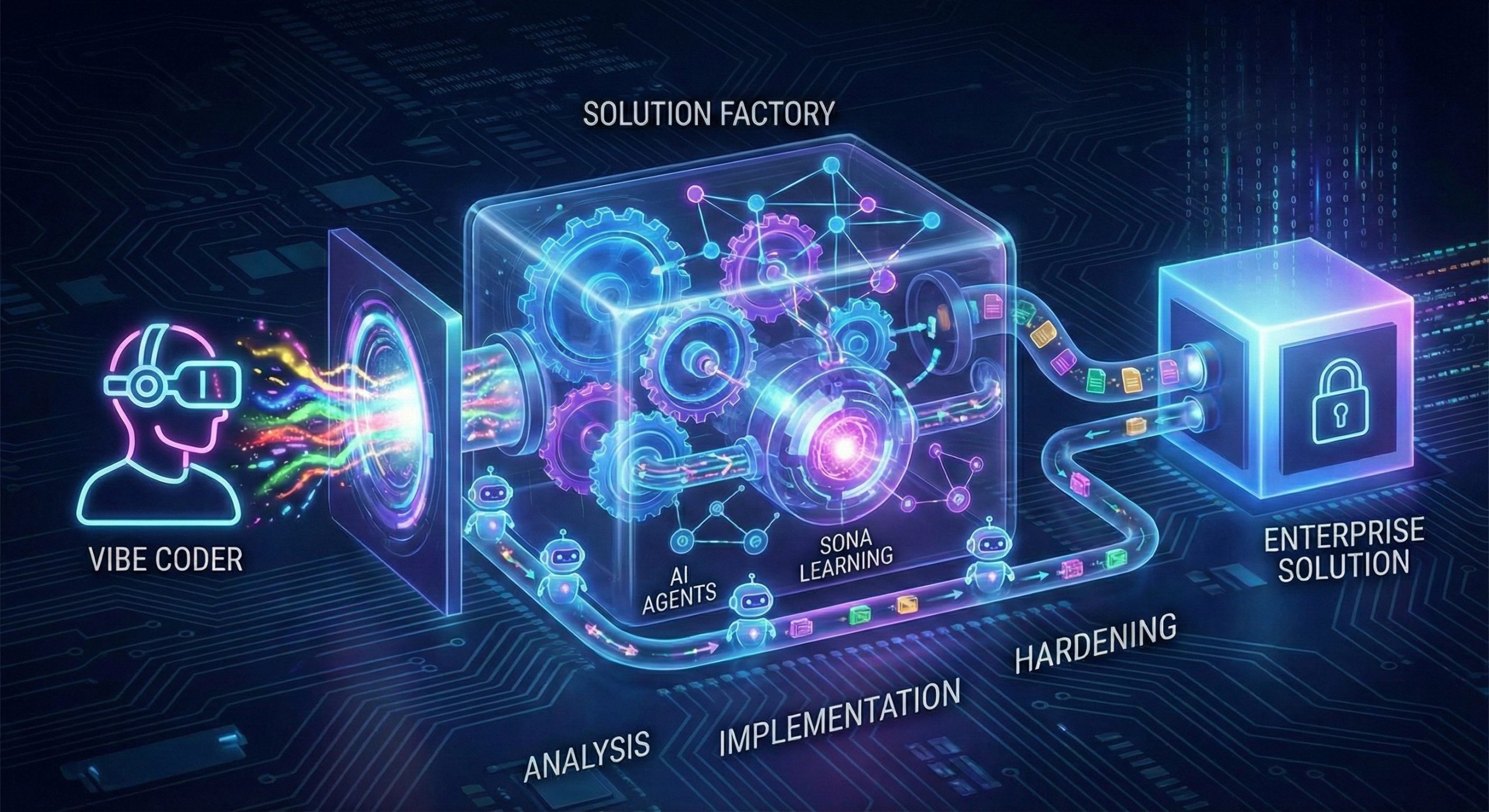
We’ve all heard the term “Vibe coding” which has emerged as a rapid, intuition-led development style. While creators can now iterate quickly using AI, they often bypass the structure, frameworks, and compliance gates that have formed over time via tenured DevOps environments. Being very effective for prototypes and demonstrations, this approach often produces “fragile” software…
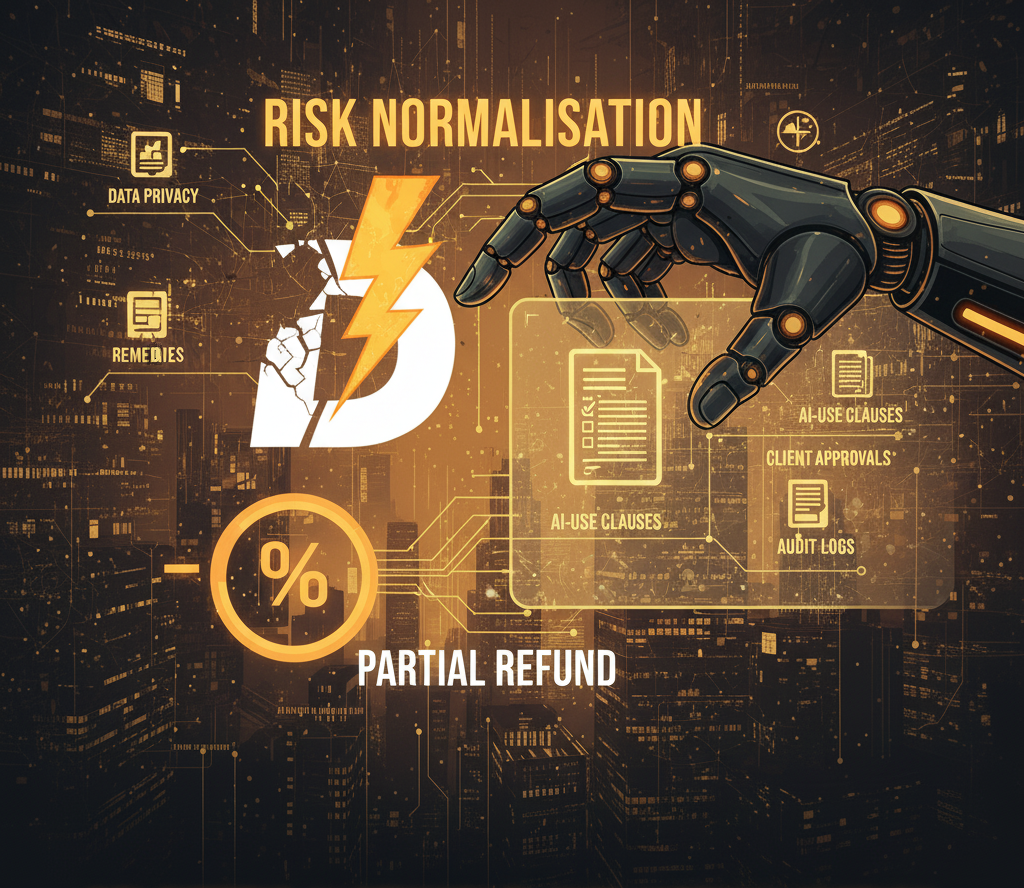
“That had to hurt” having to provide a partial refund to the Australian federal government after it’s independent assurance review was found to contain multiple errors, including non-existent references and citations. Despite this, or maybe even because if this, Deloitte is doubling down on AI across its services anyway. They’re not backing away from AI…
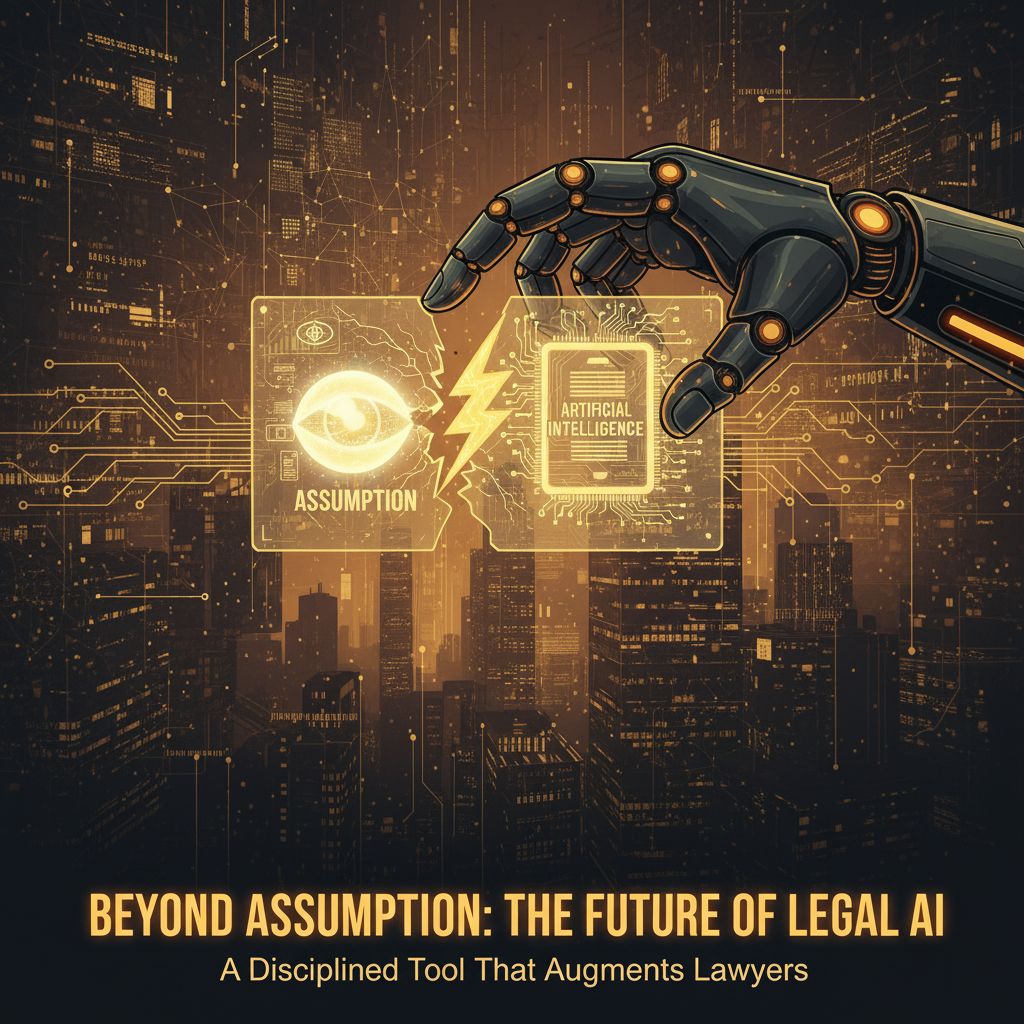
The most dangerous feature in legal AI isn’t hallucination—it’s assumption. As AI moves from buzzword to backbone, the “A” must stand for artificial, not assumed intelligence. That mindset shift is the single most important development in LegalTech right now, because it reframes AI as a disciplined tool that augments lawyers rather than an omniscient oracle….
What happens to the billable hour when legal research is 40% faster and more accurate than last year’s best? LexisNexis’s launch of Lexis+ AI is the clearest signal yet that AI is moving from assistant to infrastructure. By fusing authoritative legal data with generative models tuned for legal reasoning, early adopters are reportingmaterially shorter research…
What if your next matter plan came with a confidence score—and it was right a third more often than last year? That’s not a thought experiment; it’s the new reality arriving in law firm operations. AI is no longer hovering at the edge of legal work anymore, it’s moving into the centre of budgets, staffing…
What happens when a law firm writes the cheque instead of the client? A UK-based law firm has secured £50 million to finance litigation brought by other lawyers – a quiet headline with loud consequences. This isn’t incremental innovation; it’s a structural shift. By stepping into the role of funder, not just advisor, firms are…
Which AI tools are your lawyers using right now that you haven’t approved? According to Legal Futures, “shadow AI” is quietly and in some cases unknowingly, reshaping compliance risk as lawyers and staff turn to unsanctioned tools for research, drafting, and data processing. It’s not a fringe behaviour—it’s a signal that the demand for intuitive…
Thirty minutes on a call will tell us both. If it’s a fit, you’ll have a written scope and timeline within two working days.
What happens next
1. Book a 30-minute call
2. We work out whether it’s a fit and what kind of help you need
3. Written scope and timeline within two working days
4. Work starts on an agreed date

Independent consultancy for UK teams — AI governance (ISO 42001) and practical Office 365/Azure reporting and automation.
Taking projects
© 2026 Digirelevance Limited