The AI Power Play
What if the future of AI innovation isn’t just about smarter algorithms, but about who controls the chips that run them? On July 23, 2025, the former Trump administration revealed a bold and controversial AI strategy centred on restricting advanced semiconductor exports to China. At first glance, it looks like a classic geopolitical move to slow a rival’s technological progress – but in reality, it signals a tectonic shift in how AI will be shaped by global politics, infrastructure, and talent.
The strategy’s core is simple yet profound: block American chip sales vital to training and running large AI models, significantly complicating China’s AI ambitions. But clarity ends there. The framework glosses over enforcement and leaves U.S. tech companies in a bind, many rely on intricate global supply chains that cross borders and partners. This means firms must now navigate not just innovation and competition, but also evolving trade regulations that could disrupt operations and collaborations. For CEOs and product leaders, this is a stark reminder: AI governance is no longer a back-end compliance concern but a frontline strategic battlefield.
While geopolitical tensions simmer, the sheer scale of investment needed to remain competitive is staggering. OpenAI’s reported $30 billion annual commitment to Oracle for data centres speaks volumes about the rising cost of AI leadership. It’s not just about having the smartest model anymore; it’s about securing vast, reliable compute power in a fiercely competitive cloud and hardware landscape.
Investors and enterprise strategists should pay attention, alliances between AI innovators and infrastructure providers are fast becoming pivotal, signalling that the arms race for AI supremacy hinges as much on data centre deals as on code breakthroughs.
On the creativity front, AI is becoming an everyday tool, reshaping how content is made and consumed. YouTube Shorts’ new image-to-video AI feature instantly transforms still photos into dynamic clips, boosted by AI-driven visual effects. Google Photos complements this trend with tools that “remix” images into videos and apply stylized effects effortlessly. This wave of democratised creative AI tools opens fresh doors for brands and creators hungry to engage audiences at scale. More than tech novelties, these innovations reflect a shift in marketing and media workflows, where agility and instant customisation become the new currency.
But as AI embeds itself deeper into lives and workflows, privacy concerns loom large. Enter Proton’s AI assistant, which encrypts conversations and rejects persistent user logs, carving a niche built on data protection amidst an industry often accused of surveillance overreach. For businesses, it’s a wake-up call to rethink AI ethics and compliance ahead of tightening regulations and shifting consumer expectations. In a world where trust can make or break adoption, privacy-first AI could move from niche appeal to mainstream necessity.
Behind the scenes, the AI talent war is transforming into a full-contact sport. Industry insiders equate the competition for top AI researchers and engineers with professional sports leagues, complete with escalating salaries, lavish perks, and aggressive poaching. This arms race inflates costs and pressures firms to rethink
workforce strategies, including new education and training models to
fill critical talent gaps. Talent acquisition is no longer a support function; it’s a core pillar of AI leadership and innovation.
Meanwhile, Amazon’s quiet acquisition of Bee, an AI-powered wearable that records and transcribes user speech, underscores a growing appetite for ambient AI – technology that listens, understands, and acts continuously and contextually. This move hints at a future where AI interfaces become seamless extensions of daily life, raising profound questions about privacy, ethics, and user control. Business strategists should start imagining how pervasive AI sensing devices might disrupt traditional engagement models and redefine customer relationships.
Taken together, these developments reveal an AI landscape no longer defined purely by tech advancements but by a complex interplay of geopolitics, massive infrastructure investments, privacy imperatives, talent battles, and emerging form factors. The rules of engagement have changed, urging business leaders and AI professionals to be nimble not only in innovation but in strategy, partnership, and governance.
So here’s the question I’m leaving you with: As AI’s trajectory becomes inseparable from global power dynamics, infrastructure clout, and societal trust, can businesses afford to treat AI as just another technology upgrade? Or must we rethink our entire approach, balancing bold innovation with geopolitical savvy, ethical rigor, and new models of talent and infrastructure stewardship?
If AI is truly reshaping the future of business and society, how ready are you to lead in this complex new arena?
—
I’d love to hear your thoughts—how are you navigating these
multifaceted AI challenges in your organisation? Drop a comment or
share this post if you agree that AI’s future demands more than code.
It demands strategy.
Author: Nick Marfleet
Categories of Blog Posts
-
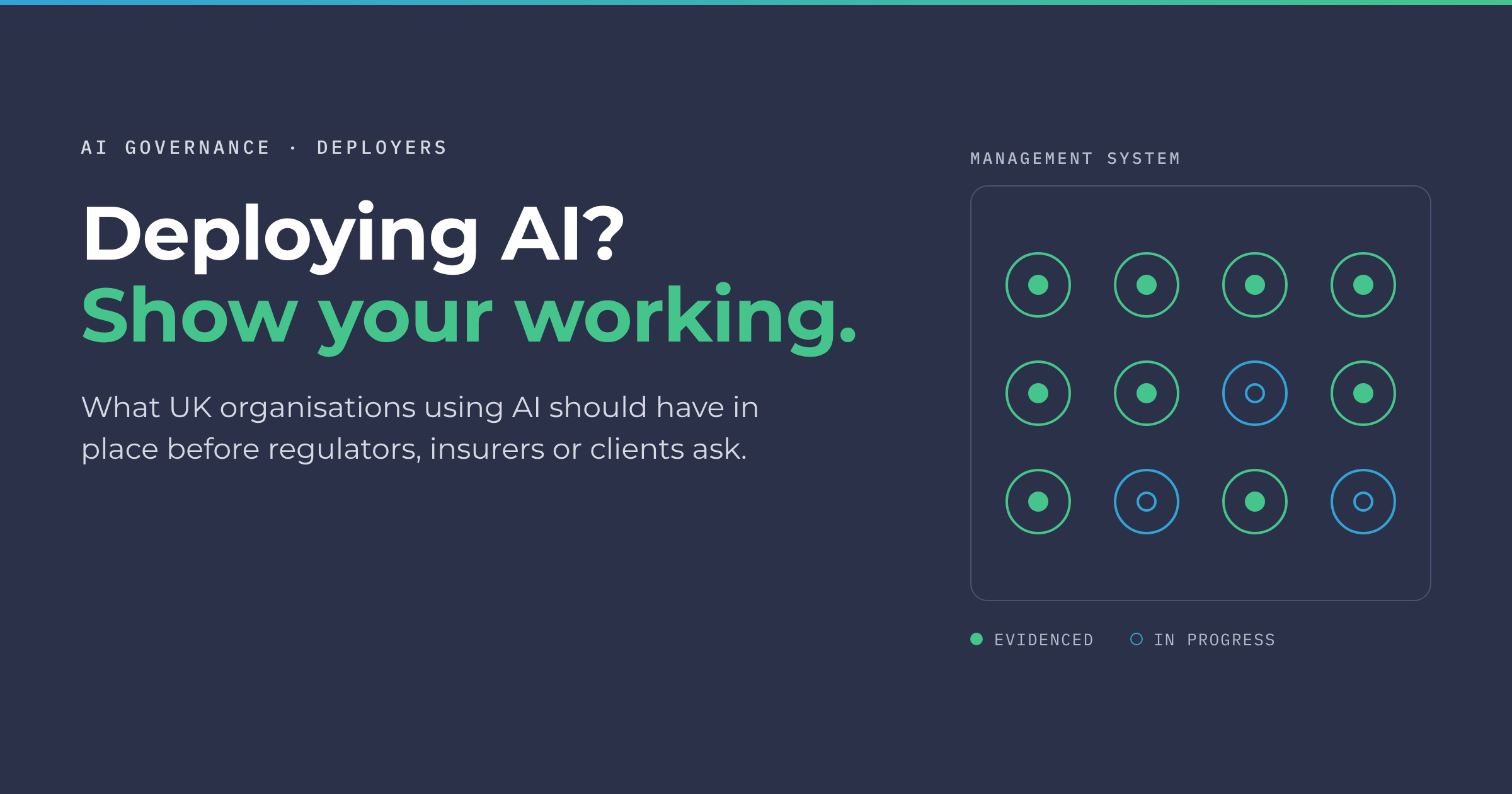
Deploying AI? What UK organisations should have in place
Most organisations are not building AI, they are deploying it. Regulators, insurers and courts are now asking them the same question: can you show your working? Here is what to have in place.
-
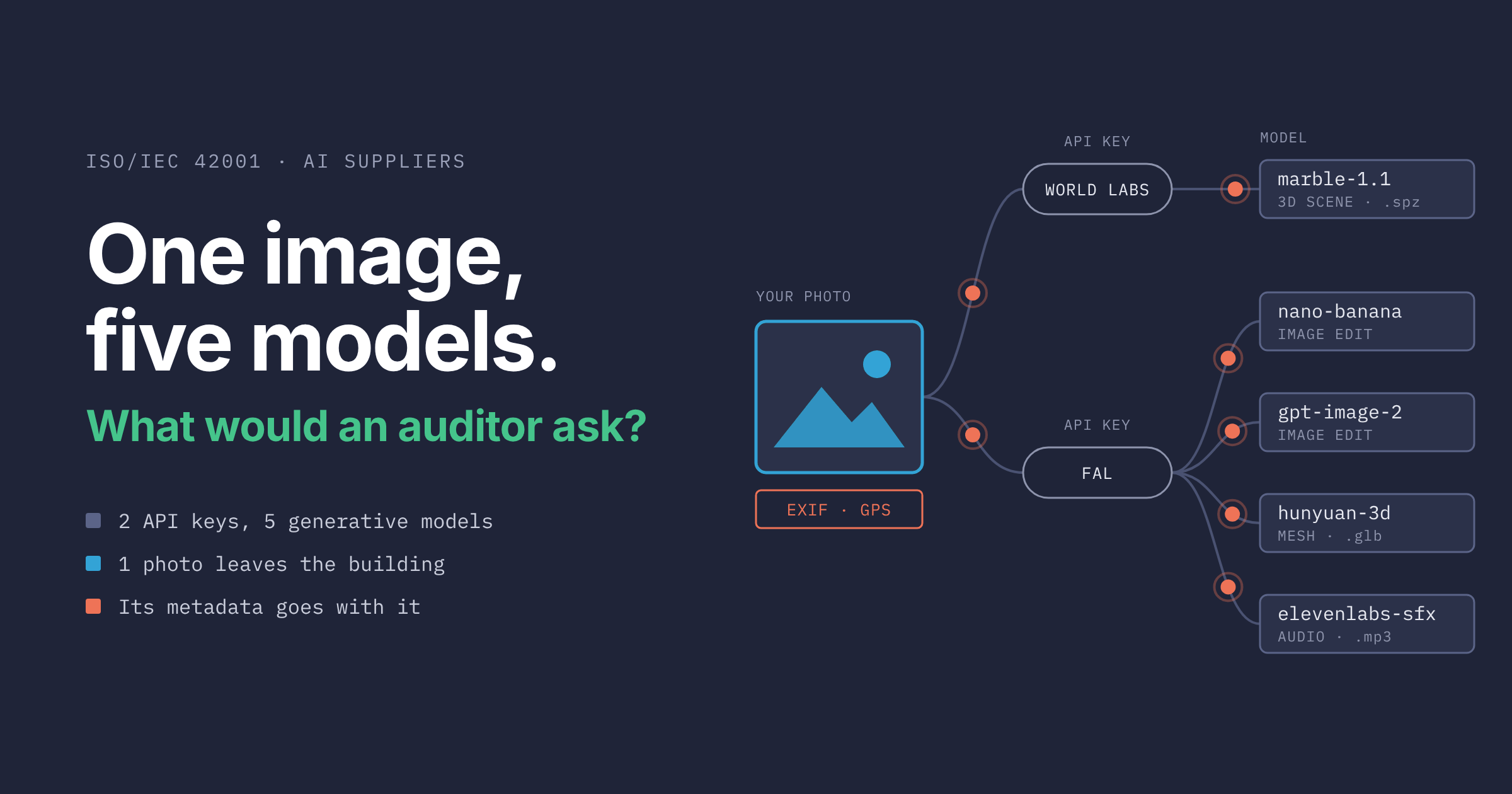
One image, five models: what an auditor would ask about image-blaster
image-blaster turns one photo into a 3D scene using five generative models. Seven questions an ISO/IEC 42001 auditor would ask about it, and how to bring a tool like this inside your AI management system.
-
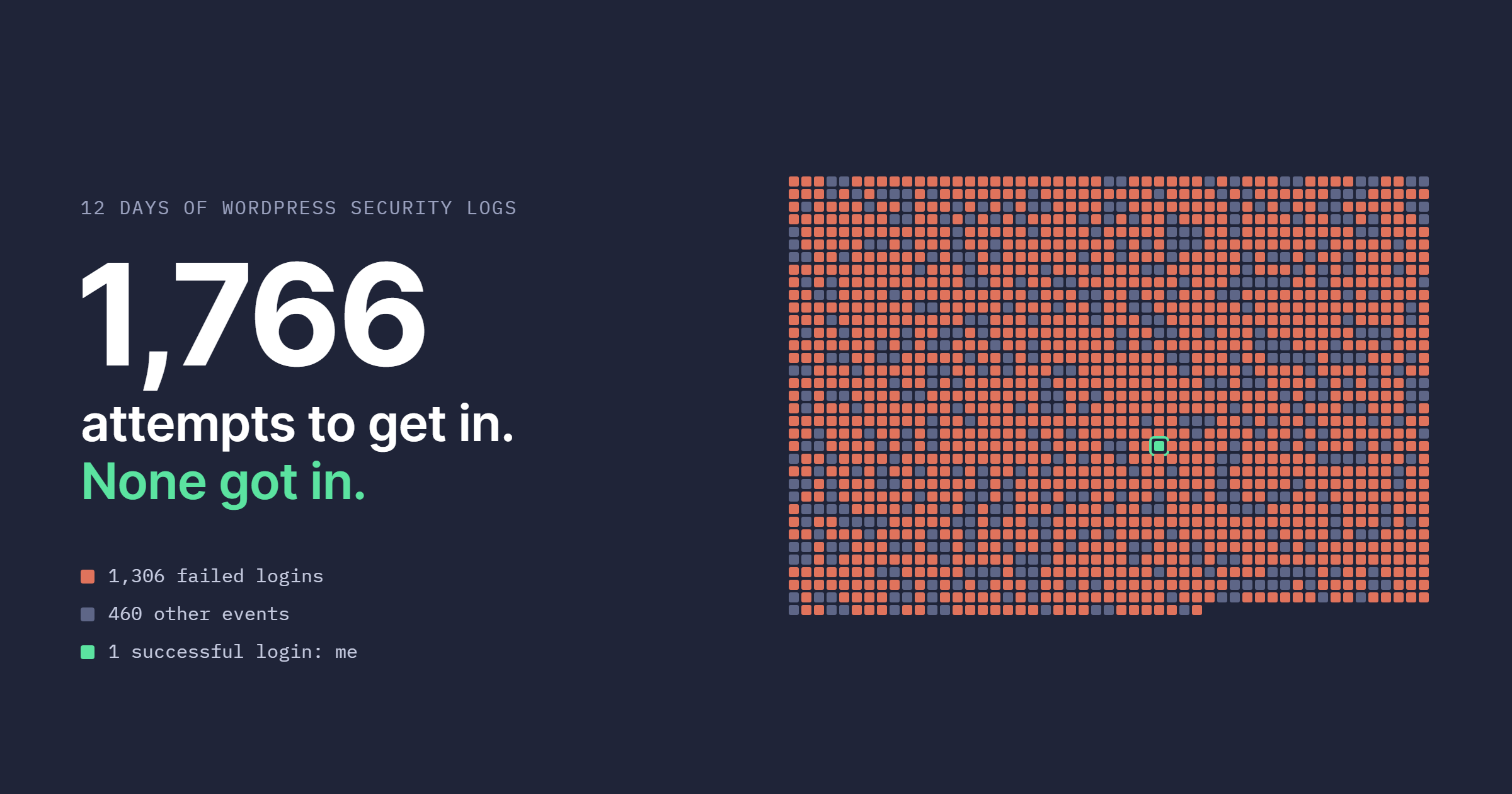
1,766 attempts to get into my website. None got in.
Twelve days of WordPress security logs: 1,766 attempts to get in, a botnet that came looking for me by name, and why 2FA did the heavy lifting.
-
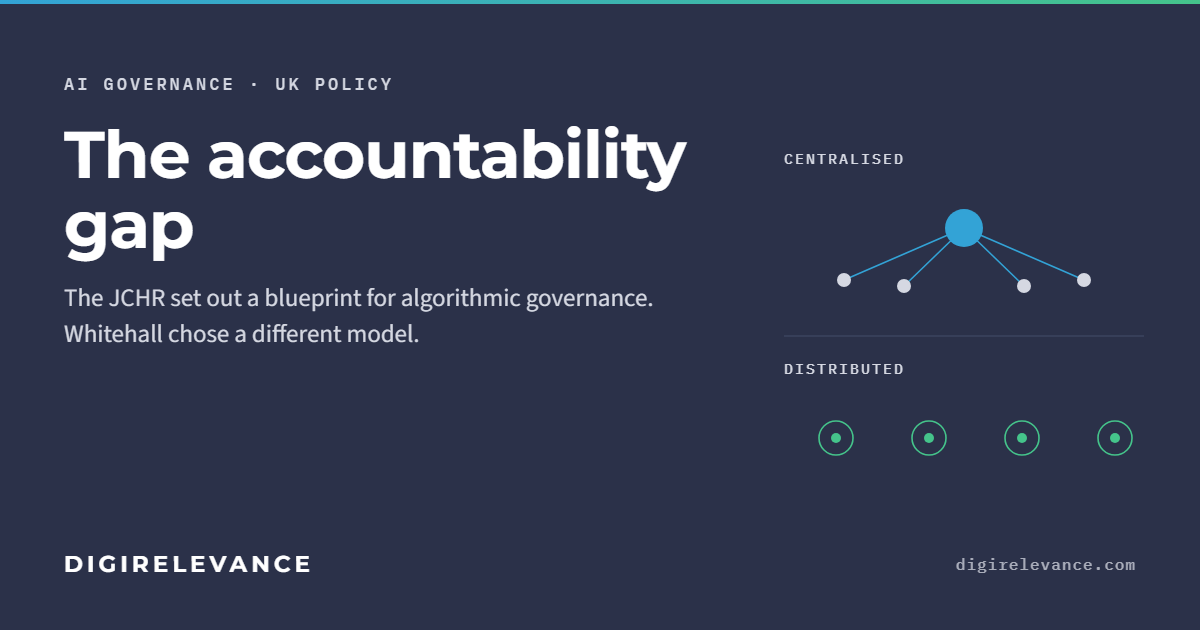
The JCHR’s AI blueprint and the accountability gap
The Joint Committee on Human Rights called for an AI Bill and a single statutory regulator. The government kept oversight distributed across sectoral watchdogs.
-
The Semantic Validation Loop
In an earlier piece (here) I explained a principle I work by: when mixing local and frontier AI in consulting work, the data stays local, but the abstractions can travel. Raw client information is processed by models you control. Patterns and architectures are discussed with frontier models. The…
-
Responsible AI and building trust with your clients
There’s a question I hear more frequently now than at any point in my career: can we use AI on this project without our data leaving the building? It comes from finance directors, facilities heads, compliance teams, procurement leads – people whose lawyers have begun asking pointed questions…